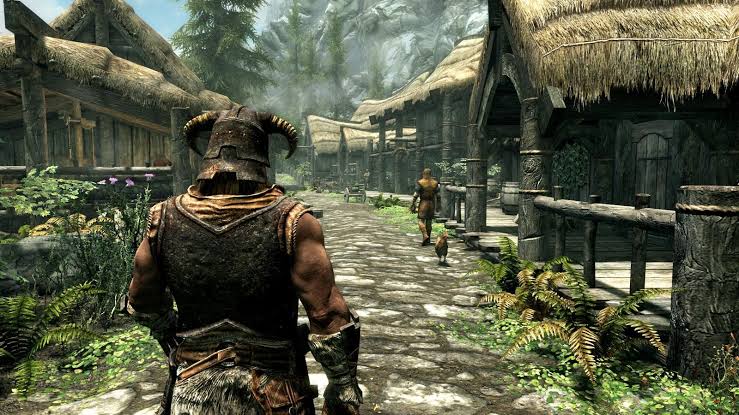
Fantasy adventure games transport players into fictional worlds filled with mysterious locations, unusual creatures, ancient ruins, and challenging quests. Unlike experiences that focus exclusively on completing a fixed sequence of objectives, many fantasy adventures encourage players to explore their surroundings, discover hidden stories, and make decisions that influence their journeys.
This combination of discovery and personal choice helps explain why fantasy adventures remain appealing to players with different gaming preferences.
Discovering New Worlds Through Exploration
Exploration is one of the defining features of fantasy adventure games. Players may travel through enchanted forests, abandoned castles, underground caves, and distant settlements while searching for resources, clues, or new quests.
Each location can introduce a different challenge. A ruined fortress might contain clues about a forgotten conflict, while a remote village could reveal information about the surrounding region. Environmental details can help tell stories without requiring lengthy explanations.
Exploration also rewards curiosity. Players who investigate side paths or speak with non-player characters may discover additional missions, useful equipment, or unexpected encounters. These discoveries make the world feel larger than the main storyline alone suggests.
Good level design supports this experience by providing recognizable landmarks, hidden routes, and meaningful rewards. Players should have enough direction to avoid feeling lost while retaining the freedom to explore independently.
Character Choices Shape the Adventure
Many fantasy games allow players to develop characters according to their preferred playstyle. They may choose different abilities, equipment, professions, or approaches to solving problems.
For example, a warrior might overcome an obstacle through strength, while a mage uses magical abilities to find another solution. A character skilled in negotiation may resolve a conflict through dialogue rather than combat.
These choices encourage experimentation. Players can discover which strategies suit them best and adapt when they encounter unfamiliar challenges.
Character development also creates a sense of investment. As players gain experience and improve their abilities, earlier challenges may become easier, opening opportunities to explore more dangerous regions and pursue more ambitious objectives.
Storytelling Through Quests and Decisions
Quests provide structure to an otherwise open world. They give players reasons to visit new locations, interact with characters, and learn about the setting’s history.
The most engaging quests often involve more than defeating an opponent or collecting an object. They may require investigating a mystery, protecting a settlement, recovering lost knowledge, or deciding which group deserves assistance.
Consequences can make these decisions meaningful. Helping one faction might damage relations with another, while choosing a peaceful solution could require additional preparation. When the game responds to player decisions, the adventure becomes more personal.
Optional quests also allow players to control their pace. Those who enjoy the main storyline can continue toward major objectives, while others can spend more time exploring side stories and developing their characters.
The Value of Multiplayer Adventures
Multiplayer features introduce new possibilities for cooperation and shared discovery. Friends can explore dangerous areas together, exchange equipment, solve puzzles, and divide responsibilities during difficult quests.
Different characters can complement one another. One player might focus on combat, another on healing, and another on discovering hidden routes or gathering resources.
Community-based Fantasy Adventure experiences can be a starting point for players interested in exploring role-playing environments and discovering adventures with other participants. Before joining a particular community, players should check its available features, rules, and gameplay requirements.
Multiplayer adventures also benefit from communication. Sharing discoveries and coordinating strategies can turn difficult encounters into memorable group achievements.
Creativity Beyond Completing Objectives
Fantasy adventure games can inspire creativity through character customization, building systems, crafting, and player-driven storytelling. Some environments allow players to design settlements, create equipment, or develop personal stories within the larger world.
These features appeal to players who enjoy constructing something of their own rather than simply following predefined missions.
Creativity also involves finding unexpected solutions. A player may discover a safer route through a dangerous region or combine available resources to overcome a difficult obstacle. Such moments encourage experimentation and flexible thinking.
Conclusion
Fantasy adventure games combine exploration, character development, storytelling, and creativity to create engaging experiences. Their strongest designs reward curiosity while giving players meaningful choices about how to approach challenges. Whether exploring alone or cooperating with friends, players can discover new places, develop their characters, and create memorable stories throughout their adventures.

