What Is Wattip and How It Works
Wattip can be understood as a concept, a tool, and a complete system for smarter energy management. At its core, it is designed to help users track electricity usage in real time and turn that information into practical decisions. Instead of treating energy use as an invisible background activity, Wattip makes it visible and understandable. This gives people a direct way to monitor how much power they use, when they use it, and which devices or systems are responsible for the highest consumption.
The way Wattip works is simple in theory, even though the technology behind it can be advanced. It connects to a smart meter or compatible monitoring device that reads electricity usage continuously. That data is then sent to a digital app or dashboard, where the user can see current energy activity in a clear visual format. Rather than relying on raw technical numbers alone, the system translates usage into graphs, trends, and patterns that are easier to understand. This allows a homeowner, office manager, or business owner to quickly see what is happening and respond with confidence. In this way, Wattip acts as a bridge between energy infrastructure and everyday decision-making, making complex energy data much more useful for real-world action.
Introduction
Energy costs are rising in many parts of the world, and that has made people more aware of how much electricity they use each day. The problem is that most homes and businesses still do not have a clear view of where their power is going. They only see the final bill at the end of the month, long after the waste has already happened. This lack of visibility makes it difficult to control expenses, improve efficiency, or build better energy habits. As smart homes, connected devices, and sustainable living continue to grow, the need for better energy control has become more urgent than ever.
Wattip is a smart energy monitoring system that tracks electricity usage in real time, helping users analyze consumption patterns, reduce energy waste, and lower electricity costs through actionable insights. It connects energy data with simple digital tools so people can understand what is happening in their homes or workplaces while it is happening, not weeks later.
Traditional energy tracking now feels outdated because it is passive, delayed, and often too general to guide daily decisions. People no longer want to guess which devices use the most power. They want accurate, live information that supports smarter action. Wattip responds to this shift by combining energy awareness, data-driven decision-making, and sustainability into one practical solution. In this article, we will explore what Wattip is, how it works, why it matters, and how it can help both households and businesses make better energy choices.
Why Wattip Matters in Modern Energy Management
Modern energy management is no longer just about paying bills on time. It is about understanding consumption well enough to control it. One of the biggest problems today is that most people do not actually know how much energy they use in daily life. They may know that air conditioners, refrigerators, lighting systems, and office equipment consume electricity, but they often do not know which devices are responsible for the biggest spikes or which habits quietly increase costs over time. Traditional billing methods show total usage too late to prevent waste, which means people are always reacting after the problem has already happened.
This is where Wattip becomes important. It creates an instant feedback loop that makes energy use visible while there is still time to change behavior. Instead of waiting for a monthly statement, users can see patterns develop in real time and make better decisions in the moment. This can lead to lower costs, reduced waste, and better long-term planning. It also supports sustainability because better awareness often leads to more responsible usage. There is also a strong psychological side to this process. Awareness changes behavior. When people can clearly see the impact of a device, a habit, or a schedule on their electricity usage, they become more likely to adjust it. Wattip matters because it transforms energy from something vague and delayed into something immediate, measurable, and manageable.
Key Features of Wattip
The strength of Wattip lies in the way its features work together to give users both clarity and control. One of its most important functions is real-time energy tracking. This means the system does not simply estimate monthly consumption or provide delayed summaries. It shows live energy activity as it happens, allowing users to understand the immediate effect of switching on appliances, running equipment, or adjusting usage patterns. This real-time visibility is valuable because it turns energy management into an active process rather than a passive one.
Another major feature is appliance-level monitoring, which helps identify which devices are using the most electricity. Instead of seeing only a total number, users can gain a more detailed view of where that total comes from. Wattip also includes energy usage analytics, which turn raw information into useful trends and patterns over time. Smart alerts and notifications add another layer of value by warning users when something unusual happens, such as sudden spikes, abnormal nighttime usage, or devices drawing excessive power. Personalized insights make the platform even more practical by giving suggestions based on actual usage behavior rather than generic advice. Smart home integration also expands its usefulness by allowing Wattip to work alongside connected devices and automation systems. Together, these features create a complete monitoring experience that is practical, informative, and easy to apply in everyday life.
Benefits of Using Wattip
The benefits of using Wattip go far beyond simple energy tracking. One of the most immediate advantages is cost reduction. When users can see where electricity is being wasted, they are better able to make changes that lower bills. This may involve adjusting appliance schedules, replacing inefficient equipment, or reducing unnecessary standby usage. Over time, even small improvements can add up to noticeable savings. This makes Wattip valuable not only for families trying to manage household budgets, but also for businesses looking to control operating costs.
Another major benefit is improved energy efficiency. Wattip helps users move from guessing to knowing, which leads to smarter daily choices. It also supports environmental goals by reducing waste and encouraging more responsible energy use. For many users, this creates a sense of personal contribution to sustainability, which adds emotional value to the practical savings. Better device performance is another benefit, because unusual usage patterns can reveal inefficient or failing equipment before it becomes a larger problem. Finally, Wattip supports data-driven decision-making by replacing assumptions with evidence. This matters because people often make changes based on habit or convenience, not on facts. With Wattip, small actions become more meaningful because they are guided by real data. That is what makes its impact powerful: it helps users improve their finances, their efficiency, and their awareness all at the same time.
Wattip vs Traditional Energy Monitoring Systems
Traditional energy monitoring systems were built mainly for billing and broad record-keeping, not for everyday decision-making. They tell people how much electricity they used over a given period, but they usually do not explain when that usage happened, which devices caused it, or how it could have been reduced. In many cases, users only see a final monthly total, which gives them no opportunity to correct waste while it is occurring. This approach may still serve utilities and infrastructure, but it does very little to help consumers manage energy in real time.
Wattip offers a very different experience because it is designed for action, not just reporting. It provides real-time tracking, device-level insights, clear dashboards, and alerts that help users respond before small problems become larger costs. Traditional systems often fail from a user perspective because they are too delayed, too basic, and too disconnected from daily life. Wattip changes that by making energy data interactive and understandable. This difference also creates a strong behavioral advantage. When people see live consumption, they are more likely to change habits than when they receive a monthly bill full of static numbers. Traditional systems tell you what happened. Wattip helps you decide what to do next. That shift from passive information to active guidance is one of the main reasons it stands out in modern energy management.
How Wattip Changes User Behavior
One of the most powerful effects of Wattip is the way it changes human behavior. Most people do not waste energy on purpose. They waste it because they cannot see it clearly. When electricity use is hidden behind walls, wires, and monthly bills, it feels distant and abstract. Wattip removes that distance. It shows users exactly when energy is being consumed and where it is coming from, making the consequences of everyday actions much easier to understand. Visibility creates accountability, and that accountability often leads to smarter choices without needing constant reminders.
Real-time data is especially effective because it shortens the gap between action and result. If a user turns on an air conditioner and sees a sharp jump in usage, that information becomes immediate and meaningful. If a device continues drawing power overnight or several appliances create unexpected nighttime spikes, the pattern becomes obvious instead of hidden. These visible patterns encourage habit formation. Users begin to check schedules, reduce standby waste, and think more carefully about timing and equipment efficiency. In this way, Wattip does more than report numbers. It builds awareness that slowly turns into better habits. This is why its value is not only technical. It is also behavioral. It helps people connect daily actions with real costs, and that connection is often what creates lasting improvement.
Real-World Applications of Wattip
Wattip has wide real-world value because energy monitoring is useful in many different environments. In homes, it can help families understand which appliances drive high bills and how daily routines affect electricity costs. A household might discover that air conditioning, water heating, or always-on electronics are contributing more than expected. With that insight, they can adjust settings, reduce waste, and better manage peak usage times. This makes Wattip especially useful for people trying to lower monthly expenses without sacrificing comfort.
In small businesses and offices, Wattip can reveal patterns that affect profitability. Lighting systems, cooling equipment, computers, and shared devices often run longer than needed, especially outside working hours. A business that identifies unnecessary usage can quickly improve efficiency and lower overhead costs. In industrial setups, Wattip can support monitoring of larger systems where abnormal consumption may point to equipment strain, poor scheduling, or technical issues. It is also useful in renewable energy environments, where users need to understand both energy generation and energy consumption at the same time. Practical results can be significant. A medium-sized office, for example, might reduce energy costs by adjusting equipment schedules and cutting waste after identifying usage patterns through the dashboard. A home may reduce peak usage simply by learning when heavy-consumption devices are most active. These applications show that Wattip is flexible, practical, and relevant across many settings.
Wattip in Smart Homes and IoT Ecosystem
As smart homes become more common, energy visibility becomes even more important. Connected lighting, climate control, appliances, and home automation systems can improve convenience, but they can also increase hidden energy consumption if they are not monitored carefully. Wattip fits naturally into this ecosystem by adding an energy intelligence layer to smart environments. Instead of automation running without clear feedback, users can see whether their systems are actually working efficiently or simply adding more complexity.
Its role in the Internet of Things ecosystem is especially valuable because connected devices generate a constant stream of activity. Wattip helps users make sense of that activity by linking automation with actual consumption data. This improves automation accuracy because users can test whether scheduled actions, smart routines, and connected devices are saving energy or creating unnecessary load. It also supports smarter decision-making by showing how different systems interact over time. For example, a household may discover that automated cooling and lighting schedules overlap inefficiently during certain hours. With Wattip, that insight becomes visible and fixable. In this way, it strengthens the entire smart home experience by making connected living not only more convenient, but also more accountable and energy-aware.
Wattip and Renewable Energy Integration
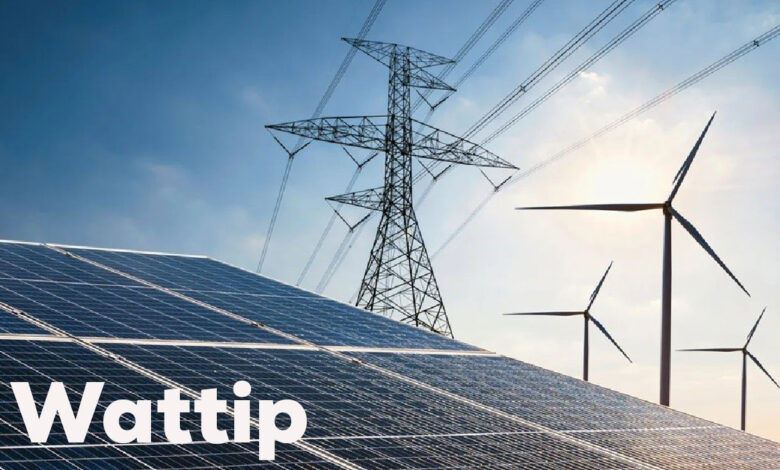
Renewable energy systems are becoming more common, but generating clean power is only part of the challenge. Users also need to understand how that energy is being used, stored, and balanced with grid electricity. Wattip can play an important role in this process by helping users track energy generation and consumption together. This creates a clearer picture of how solar panels, hybrid systems, or stored power are performing in daily life. Instead of simply producing renewable energy and hoping for the best, users can actively optimize how and when that energy is consumed.
This matters because timing is critical in renewable setups. If users know when their solar system is generating the most power, they can schedule major appliances to run during those periods. If they have battery storage, Wattip can help them understand how much stored energy is being used and when grid dependency is increasing. This improves efficiency and supports better planning. It also strengthens the overall value of renewable investment, because users are not just producing clean energy but using it more strategically. In this way, Wattip supports a smarter and more balanced energy system. It helps users reduce grid dependence, increase self-awareness, and get more practical value from renewable technology.
Common Misconceptions About Wattip
Because Wattip is connected to smart technology and energy analytics, some people assume it must be difficult to understand or expensive to use. One common misconception is that it is too complex for ordinary households. In reality, the purpose of Wattip is the opposite. It is meant to simplify energy understanding by translating technical data into clear, visual insights that are easier to act on. Another misunderstanding is that it only makes sense for high-tech homes, but energy monitoring can be useful in many types of properties, including standard homes, offices, and small businesses.
Some people also believe that Wattip automatically saves energy on its own. The truth is more practical. Wattip does not create savings by magic. It creates awareness and direction, and the user’s actions are what produce the results. That is still powerful, because informed decisions are far more effective than blind effort. Another myth is that the cost outweighs the benefit. In many cases, the value comes from avoided waste, better equipment use, and improved habits over time. Like many smart systems, its usefulness depends on how well it is applied. Once people understand that Wattip is a tool for visibility and control rather than a complicated or automatic solution, its purpose becomes much easier to appreciate.
How to Get Started with Wattip
Getting started with Wattip is generally a straightforward process because the system is designed to make energy monitoring more approachable, not more confusing. The first step is choosing a model or setup that matches the size and needs of the property. A small home may require a simpler configuration, while a larger business or renewable energy setup may need broader monitoring capability. Once the right device or system is selected, it is connected through a smart meter or compatible energy monitoring hardware so that electricity data can be captured accurately.
After installation, the next step is connecting the system to the mobile app or digital dashboard. This is where the practical experience begins, because the dashboard turns raw consumption data into visuals, trends, and insights that are easy to follow. Users can then begin analyzing usage patterns, identifying unusual spikes, and recognizing which systems or habits deserve attention. The real value comes after this stage, when insights are turned into action. Some users adjust schedules, others replace inefficient appliances, and some simply begin paying closer attention to waste they never noticed before. Wattip works best when users treat it as an ongoing decision tool rather than a one-time setup. That is what turns installation into improvement.
Tips to Maximize Wat tip Efficiency
To get the best results from Wattip, users should interact with the system regularly enough to notice patterns and respond to them. One useful habit is checking the dashboard often, especially during the first few weeks. This helps users learn what normal usage looks like and makes unusual behavior easier to spot later. As familiarity grows, the information becomes more meaningful, and users can begin identifying which appliances, times of day, or routines create the heaviest load on the system.
It is also helpful to focus on high-consumption devices first, because those usually offer the fastest opportunities for savings. Setting alerts for unusual usage adds another layer of protection by bringing attention to spikes before they turn into larger problems. Shifting heavy electricity use to off-peak hours can also improve efficiency in many situations, especially where time-based pricing exists. Integrating Wattip with automation systems can make these improvements more consistent by aligning smart routines with real energy data. The most effective approach is not to chase perfection but to make steady adjustments based on what the system reveals. Over time, these small actions build better control, lower waste, and stronger long-term efficiency.
Wat tip for Businesses and Cost Optimization
For businesses, Wattip can be much more than a monitoring tool. It can be a direct support system for cost optimization and operational efficiency. Electricity is often one of those expenses that businesses accept as fixed until it becomes unusually high. Yet many offices, retail locations, workshops, and service businesses waste power through poor scheduling, idle equipment, unnecessary lighting, and inefficient systems. Wattip helps reveal these inefficiencies by turning hidden consumption into visible data that managers can actually use.
This matters because business energy waste affects profit margins. When equipment runs longer than needed or systems consume more power than expected, the cost adds up quietly over time. Wattip helps reduce that hidden loss by identifying where changes can be made. It also supports sustainability reporting and operational accountability, which are increasingly important for modern businesses. Another advantage is preventive insight. Irregular usage patterns can sometimes point to equipment problems before they become full failures, helping businesses avoid downtime and repair costs. From a return-on-investment perspective, Wattip gives businesses something very practical: clearer control over an expense that often goes unmanaged. That makes it valuable not just for saving money but for improving decision-making across the organization.
The Future of Wattip and Smart Energy Monitoring
The future of Wattip is closely tied to the future of smart energy itself. As homes, offices, and infrastructure become more connected, users will expect more than simple monitoring. They will want systems that not only show what is happening, but also help predict what is likely to happen next. This is where artificial intelligence and predictive analytics may play a growing role. Instead of only displaying historical and real-time usage, future versions of Wattip-style systems may identify patterns early, forecast peak demand, and suggest changes before inefficiency happens.
Automation will also become more important as users seek seamless ways to connect insights with action. In the future, smart grids, connected appliances, renewable systems, and storage technologies may work together with energy platforms like Wattip in a much more integrated way. This would allow homes and businesses to respond dynamically to pricing, demand, weather, and supply conditions. In that environment, Wattip is well positioned because its core value already matches the direction of modern energy technology: clarity, control, and intelligent adaptation. As the energy world becomes more data-driven, tools that make that data useful will become even more relevant.
Conclusion
Wattip stands out because it solves a problem that many people have accepted for too long: using electricity without truly understanding it. Making energy visible in real time, it gives users more control over costs, stronger awareness of consumption, and a practical path toward better efficiency. It helps households, businesses, and renewable energy users move beyond guesswork and into informed action. That is important in a world where rising costs and sustainability concerns are no longer separate issues, but part of the same daily challenge.
Its value does not come from hype or complexity. It comes from clarity. When people can see where their energy is going, they make better decisions. Businesses can track hidden inefficiencies, protect margins, and improve operations. When smart homes and renewable systems are supported by clear monitoring, technology becomes more useful and less wasteful. Wattip is not just a tool; it’s a shift in how we understand and control energy.
FAQs
1. What is Wattip?
Wattip is a smart energy monitoring system that shows how much electricity you are using in real time. It helps you understand your energy habits and reduce unnecessary power usage.
2. How does Wattip track electricity usage?
Wattip connects to a smart meter or monitoring device and collects energy data continuously. This data is then displayed in an app or dashboard, where you can see your usage clearly and instantly.
3. Can Wattip help reduce electricity bills?
Yes, Wattip helps reduce electricity bills by showing where energy is being wasted. When you see high usage, you can change your habits or adjust devices to save money.
4. Is Wattip suitable for homes and businesses?
Yes, Wattip works for both homes and businesses. Home users can manage daily energy use, while businesses can track large systems and reduce operational costs.
5. Does Wattip work with solar panels or renewable energy?
Yes, Wattip can work with solar panels and other renewable systems. It helps you track how much energy you produce and use, so you can improve efficiency and reduce dependence on the grid.